
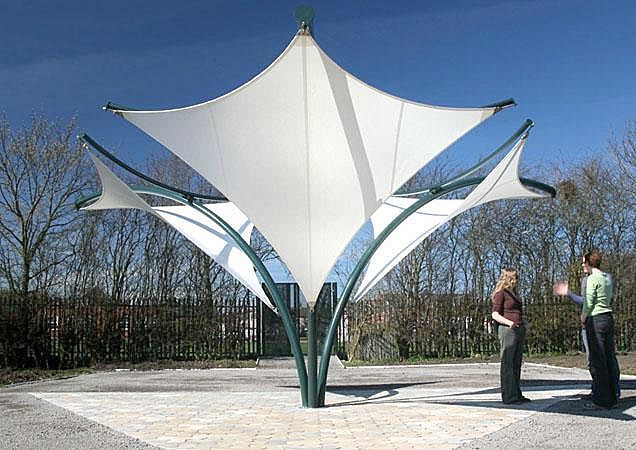
In the realm of architecture, high quality tents Saudi arabia and traditional buildings each offer distinct advantages and challenges. While traditional buildings have long been the standard in construction, tensile structures have emerged as an innovative and sustainable alternative. This article compares these two approaches to building design by evaluating their pros and cons.
Tensile Structures: What Are They?
Tensile structures are architectural forms that use tension to support their shape. Made primarily from materials such as fabric, cable, and mesh, these structures rely on the principles of tension rather than compression or bending. The most common examples include large canopies, stadium roofs, and pavilions. The defining feature of tensile structures is their ability to span large spaces with minimal material usage, often creating aesthetically striking and fluid forms.
Advantages of Tensile Structures
-
Lightweight and Efficient Use of Materials
One of the primary benefits of tensile structures is their lightweight nature. By utilizing tension, these structures require far less material than traditional buildings, reducing both the weight and environmental impact. The minimalistic design allows for expansive coverage with less raw material, making them a highly efficient option for large open spaces. -
Aesthetic Appeal
Tensile structures often feature sleek, modern, and dynamic designs that are visually striking. Their flowing forms and ability to create sweeping curves are not typically achievable in traditional construction, offering architects a unique opportunity to explore innovative and artistic expressions. -
Sustainability
Because tensile structures use less material and are often designed to allow natural light penetration, they are more energy-efficient than traditional buildings. Furthermore, materials such as fabric membranes are often recyclable, contributing to a lower overall environmental footprint. This makes tensile structures an excellent choice for green building initiatives. -
Rapid Construction and Flexibility
Tensile structures can be erected much more quickly than traditional buildings due to the prefabricated nature of the materials. This can lead to significant savings in labor and time, making them ideal for projects with tight deadlines. Additionally, they can be disassembled and reconfigured, offering greater flexibility for temporary or movable installations.
Disadvantages of Tensile Structures
-
Vulnerability to Weather Conditions
While tensile structures are durable, they can be more susceptible to extreme weather conditions, particularly high winds, heavy snow, or intense storms. Unlike traditional buildings, which offer solid, weather-resistant protection, tensile structures must be carefully designed and engineered to ensure they can withstand harsh environments. -
Maintenance Challenges
The materials used in tensile structures, especially fabric, may require more frequent maintenance compared to traditional buildings. Exposure to UV rays, pollution, or wear and tear can cause the fabric to degrade over time, leading to potential costs for repairs or replacements. Regular inspection and maintenance are necessary to keep tensile structures in optimal condition. -
Limited Insulation and Acoustic Performance
Traditional buildings tend to offer better insulation against heat and sound. Tensile structures, on the other hand, often have less thermal and acoustic insulation, which can lead to issues with temperature regulation and noise control. This makes them less suitable for residential or office environments where comfort and privacy are priorities. -
Higher Initial Costs
While tensile structures can save on material costs, their specialized design and engineering can lead to higher upfront costs. The need for expertise in tensile fabric technology and the customization required for each project can make these structures more expensive to design and build initially, even if long-term operational costs are lower.
Traditional Buildings: What Are They?
Traditional buildings are constructed using materials like brick, concrete, wood, and steel, with a focus on creating enclosed, stable, and insulated spaces. These structures rely on a combination of compression, bending, and shear forces to maintain their integrity. Traditional buildings have been the standard in architecture for centuries, and their design is highly adaptable to various climates, uses, and aesthetic preferences.
Advantages of Traditional Buildings
-
Durability and Long-Term Stability
Traditional buildings are generally more robust and able to withstand extreme weather conditions. Materials like concrete and steel offer excellent resilience against high winds, heavy snow loads, and seismic activity. They also provide greater long-term stability, requiring less frequent maintenance than tensile structures. -
Superior Insulation
Traditional buildings are often better at maintaining a comfortable indoor environment due to superior insulation properties. The use of solid walls, roofs, and floors provides better thermal control and soundproofing, which makes these structures more suitable for residential, office, and other climate-sensitive uses. -
Wide Range of Applications
From residential homes to skyscrapers, traditional buildings are incredibly versatile in terms of size, function, and location. They can accommodate a variety of purposes and are more adaptable to different environments, from urban cityscapes to rural areas.
Disadvantages of Traditional Buildings
-
Higher Material and Labor Costs
Traditional buildings tend to be more expensive in terms of both material and labor. The cost of concrete, steel, and other building materials can quickly escalate, especially for larger projects. Labor costs for constructing these structures are typically higher due to the complexity and time involved in building solid walls, roofs, and foundations. -
Environmental Impact
Traditional buildings generally have a greater environmental footprint due to the extensive use of concrete, steel, and other non-sustainable materials. Additionally, the energy-intensive construction processes and larger material quantities result in greater emissions, contributing to their higher environmental impact compared to tensile structures. -
Longer Construction Times
Building traditional structures takes significantly more time than erecting tensile structures. The process of preparing the site, pouring foundations, and assembling materials often stretches over months or even years, depending on the scale of the project. This can be problematic for projects that require fast delivery.
Conclusion
In conclusion, tensile structures and traditional buildings each offer unique advantages and drawbacks. Tensile structures are lightweight, visually stunning, and energy-efficient, making them ideal for certain applications, such as stadiums, exhibition halls, and temporary installations. However, they can struggle in harsh weather conditions and require more frequent maintenance. Traditional buildings, while more durable and versatile, come with higher costs and longer construction times. The decision between these two construction methods ultimately depends on the specific needs and goals of the project, considering factors like cost, climate, and design preferences.