
A garage door may look like a simple part of a home, but installing the right one requires accurate measurements and careful planning. A few inches of difference can affect how the door operates, whether it fits properly, and how much clearance is available for tracks, springs, and an automatic opener. Before ordering a new garage door, homeowners need to understand exactly what an installer measures.
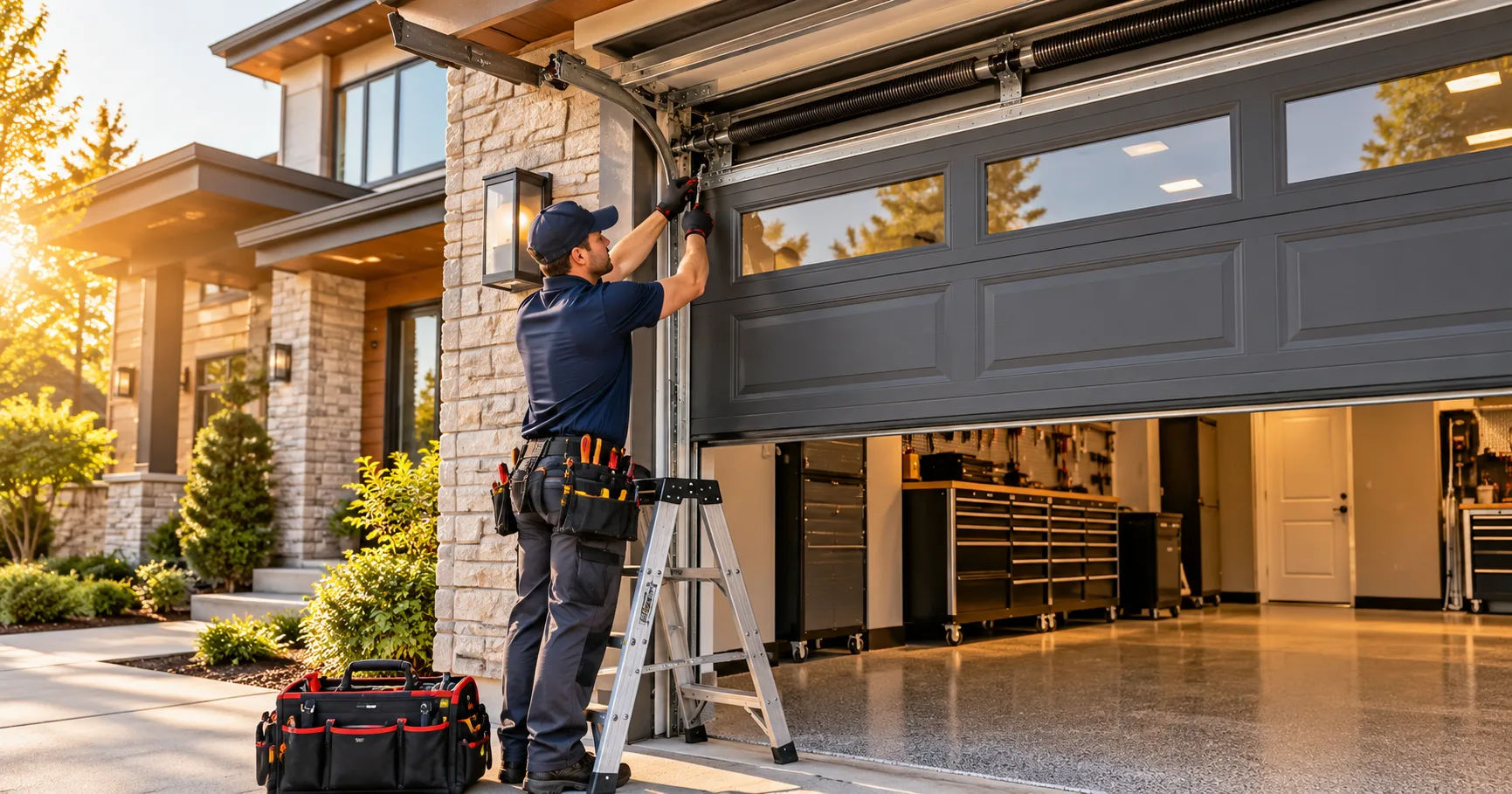
For homeowners planning Residential Garage Door Installation in Surprise AZ, accurate measurements are especially important because garage designs can vary significantly from one property to another. The installer must consider the existing opening, surrounding wall space, ceiling height, and the available room inside the garage. These details help determine which door size and installation system will work best.
The measurement process is not simply about measuring the width and height of the existing door. A professional also evaluates the garage's structural conditions and the spaces around the opening. This comprehensive approach helps prevent installation problems and ensures the new door can open and close safely.
Understanding Garage Door Measurements
Garage door measurements begin with the actual opening where the door will be installed. This opening is often called the rough opening or finished opening, depending on the construction and existing framing.
The width is measured from one side of the opening to the other. The height is measured from the finished floor to the top of the opening. These two measurements provide the basic dimensions needed to determine the appropriate garage door size.
However, these measurements alone are not enough. A professional installer also checks several other areas around the opening.
The goal is to determine whether the garage can accommodate the complete door system, including the tracks, springs, rollers, brackets, and opener.
Measuring the Garage Door Width
The width of the garage door opening is one of the most important measurements. The installer typically measures the opening at multiple points rather than relying on a single measurement.
For example, the width may be checked near the floor, in the middle, and near the top. If these measurements are different, the opening may not be perfectly square.
A small variation can sometimes be accommodated during installation, but a significant difference may indicate a framing or structural issue that should be addressed first.
Standard residential garage doors commonly come in several widths, although custom sizes are also available. A single-car garage may use a narrower door, while a two-car garage generally requires a much wider opening.
The exact size should always be based on the actual opening and the selected door system rather than assumptions about the home's design.
Measuring the Garage Door Height
Height is just as important as width. The installer measures vertically from the finished garage floor to the top of the door opening.
The finished floor matters because flooring materials, thresholds, or other surfaces can change the actual usable height.
The installer may measure the height on both sides of the opening to determine whether the top is level. If the measurements differ, the installer may need to account for the uneven condition during preparation.
Garage door height affects the size of the door panels and the amount of vertical and horizontal travel required when the door opens.
Choosing a door that is too tall for the opening can create installation difficulties, while an incorrectly measured door may leave unwanted gaps or interfere with surrounding components.
Measuring the Headroom
One of the measurements homeowners sometimes overlook is headroom.
Headroom refers to the vertical space between the top of the garage door opening and the ceiling or another obstruction above it. This space is necessary for the door's tracks, springs, brackets, and other hardware.
During Residential Garage Door Installation in Surprise AZ, an installer checks this space carefully before deciding which hardware configuration should be used.
Traditional garage door systems often require a certain amount of headroom for the horizontal tracks. If the garage has limited space above the opening, a different track configuration may be necessary.
Obstructions such as ceiling beams, ductwork, lights, storage systems, or garage door openers can also affect available headroom.
This is why measuring the opening without checking the ceiling area can result in an incomplete assessment.
Measuring Side Room
Side room is the space between the edge of the garage door opening and the nearest wall on each side.
Installers need enough side room to mount vertical tracks and other hardware securely. The required amount can vary depending on the garage door design and hardware system.
The installer normally measures both sides because one side may have less available space than the other.
Electrical outlets, shelving, cabinets, windows, or other fixtures can also reduce usable side room.
If the side room is limited, a professional may recommend an alternative hardware arrangement. The important point is that the measurement must be based on the actual installation environment.
Measuring Backroom
Backroom refers to the distance from the garage door opening toward the back wall of the garage.
This measurement becomes particularly important because the horizontal garage door tracks extend into the garage when the door opens.
The garage needs sufficient backroom to accommodate the door in its open position. The required distance depends on factors such as the height of the door, track configuration, and opener system.
A professional installer considers this measurement before installation rather than discovering a clearance problem after the equipment has been delivered.
Storage items and vehicles should also be considered when evaluating the usable space inside the garage.
Checking the Door Opening for Square
A garage door opening should ideally be properly aligned and reasonably square.
Installers can compare the diagonal measurements from one corner to the opposite corner. If both diagonal measurements are approximately equal, the opening is generally closer to square.
If the measurements differ significantly, the opening may be out of square.
An uneven opening can affect how the door sits against the frame and may contribute to operational problems. The installer may need to make adjustments to the framing or use appropriate installation techniques.
This is one reason professional measurements are valuable before ordering a new door.
Measuring the Garage Floor
The floor beneath the garage door is another important area to inspect.
The installer checks whether the floor is level and whether there are cracks, slopes, or other conditions that could affect the bottom seal.
A garage door needs to close properly against the floor to help reduce the entry of dust, insects, rainwater, and outdoor air.
If the floor is uneven, the installer may need to account for that condition when positioning the door and bottom seal.
The condition of the floor can therefore influence the quality of the final installation even though it is not technically part of the door's dimensions.
Evaluating the Existing Frame
Measurements are only one part of the installation assessment. The condition of the existing frame also matters.
The frame needs to provide suitable support for tracks, brackets, and other components.
An installer may inspect the vertical jambs and the header above the opening. If these areas are damaged, weak, rotted, or improperly aligned, repairs may be needed before the new door is installed.
Replacing the garage door without addressing serious structural problems can create unnecessary complications.
A professional measurement visit therefore serves two purposes: determining the correct dimensions and identifying conditions that could affect installation.
Measuring for Different Garage Door Types
Not every garage door uses exactly the same installation arrangement.
Sectional garage doors are made from multiple horizontal panels connected by hinges. As they open, the panels move vertically and then travel along horizontal tracks near the ceiling.
Roll-up or other specialized garage door designs may require different clearances and hardware arrangements.
The type of door selected affects how much space is required around the opening.
Homeowners should therefore choose the door design before final measurements are confirmed whenever possible. This allows the installer to evaluate the exact hardware requirements.
Why Accurate Measurements Matter in Surprise, Arizona
Climate and building conditions are important considerations when planning Residential Garage Door Installation in Surprise AZ.
Surprise experiences hot, dry weather for much of the year, with strong sunlight and seasonal temperature changes. These conditions can make material quality and proper installation particularly important.
A well-fitted garage door can help reduce unwanted air movement around the opening and may contribute to better comfort in an attached garage.
Accurate installation also helps the door operate smoothly despite regular exposure to heat and changing environmental conditions.
The measurement itself does not change because of the Arizona climate, but the installer should consider the local environment when recommending materials, insulation levels, seals, and hardware.
Insulated Garage Door Measurements
Homeowners choosing an insulated garage door should understand that insulation can affect the door's overall construction.
Insulated panels may be thicker or heavier than basic non-insulated panels. The installer must ensure that the tracks, springs, rollers, and opener are suitable for the selected door.
The physical opening still needs to be measured accurately, but the hardware configuration should be matched to the door's weight and design.
For garages connected directly to living spaces, insulation can be particularly useful for reducing heat transfer between the garage and the home.
Measuring for the Garage Door Opener
The garage door opener also needs adequate space and proper positioning.
An opener is usually mounted above the garage door and connected to the door using an appropriate rail and lifting mechanism.
The installer checks the ceiling area and available clearance before selecting the best opener arrangement.
If there are low ceilings, unusual roof structures, or limited headroom, the standard configuration may not be ideal.
Modern opener systems can have different rail lengths and installation requirements, so the opener should be considered as part of the complete garage door system.
Can Homeowners Measure the Garage Door Themselves?
Homeowners can certainly take preliminary measurements, and doing so can provide useful information.
However, these measurements should not necessarily be treated as the final specifications for ordering a garage door.
A homeowner may measure the width and height correctly but overlook headroom, side room, backroom, floor level, framing condition, or structural concerns.
Professional installers understand how these measurements interact with specific garage door systems.
For Residential Garage Door Installation in Surprise AZ, having a professional verify the measurements can reduce the risk of ordering an unsuitable door.
Common Measurement Mistakes
One common mistake is measuring only the existing door itself instead of the actual opening.
Another mistake is taking one width measurement and assuming the entire opening is identical from top to bottom.
Failing to measure headroom is also a frequent problem.
Homeowners may additionally overlook objects hanging from the ceiling, storage systems, lights, or electrical equipment.
Another issue is forgetting to evaluate the floor. A door may have the correct dimensions but still fail to seal properly if the floor beneath it is significantly uneven.
Taking several measurements and checking the entire installation area creates a much more reliable picture.
What a Professional Installer Usually Records
During a measurement appointment, the installer may record:
-
Door opening width
-
Door opening height
-
Headroom
-
Side room
-
Backroom
-
Floor condition
-
Opening alignment
-
Jamb condition
-
Header condition
-
Existing track configuration
-
Spring arrangement
-
Opener location
-
Potential ceiling obstructions
These measurements and observations help determine the appropriate equipment and installation method.
The installer may also discuss the homeowner's preferences, including door material, insulation, window placement, color, decorative hardware, and opener features.
What Happens After Measurements Are Taken?
Once the measurements are confirmed, the homeowner can select a garage door that fits the available space.
The installer can then determine whether standard hardware will work or whether a specialized configuration is needed.
If the existing framing requires repairs, those issues can be addressed before the installation begins.
The final installation typically involves preparing the opening, positioning the tracks, installing the door panels, attaching springs and other hardware, and connecting the opener if one is included.
The door is then tested to make sure it travels smoothly and closes correctly.
Why Professional Measurement Is Worth It
A garage door is a large moving system with heavy components under significant mechanical forces. Correct installation is therefore more than simply placing panels into an opening.
Professional measurement helps ensure that the door, hardware, and garage structure work together.
It can also help homeowners avoid unexpected costs caused by incorrect door dimensions or incompatible hardware.
For homeowners arranging Residential Garage Door Installation in Surprise AZ, a professional assessment provides an opportunity to identify potential issues before installation day.
This can make the process more predictable and help ensure the finished door looks properly aligned with the garage.
Questions to Ask Before Installation
Before approving an installation, homeowners can ask the installer several practical questions.
They can ask whether the measurements have been verified, whether the existing framing is suitable, and whether any repairs are recommended.
It is also useful to ask what type of track system will be used and how much headroom the system requires.
Homeowners should understand whether the quoted price includes removal of the existing door, installation labor, hardware, and disposal.
Asking these questions beforehand helps prevent confusion later.
How Often Should Garage Door Measurements Be Rechecked?
Measurements generally need to be confirmed whenever a new door is being ordered, particularly if the existing garage has been modified.
Renovations can change ceiling height, flooring, framing, or available storage space.
Even if a homeowner believes the garage has a standard size, professional verification is still useful.
The new door should be ordered according to the current condition of the garage rather than relying on measurements from an old installation.
Conclusion
Measuring a garage door installation involves much more than determining the width and height of the opening. A complete assessment considers the opening dimensions, headroom, side room, backroom, floor level, framing, ceiling obstructions, hardware requirements, and the type of garage door being installed.
For Residential Garage Door Installation in Surprise AZ, accurate measurements are an essential first step toward a safe, smooth, and professional installation. They help ensure that the selected door fits the opening and that the supporting hardware has enough room to operate correctly.
Homeowners can take basic measurements themselves, but professional verification is usually the better approach. An experienced installer can identify problems that may not be obvious from simple measurements, including an uneven opening, insufficient headroom, damaged framing, or limited clearance.
The most reliable installation starts before the old door is removed or the new panels arrive. Careful measurement allows homeowners and installers to plan the project properly, select compatible equipment, and reduce the chance of costly surprises.
In the end, accurate measurements provide the foundation for a garage door that fits correctly, operates smoothly, seals effectively, and complements the home. Taking the time to measure every important area is a small step that can make a significant difference in the success of the entire installation.