
Biotin is often associated with hair, skin, and nail health, but many people wonder whether it is mainly intended for women. Men can have questions about whether taking a biotin supplement is appropriate, especially when they are experiencing hair thinning, brittle nails, or concerns about getting enough nutrients from their diet.
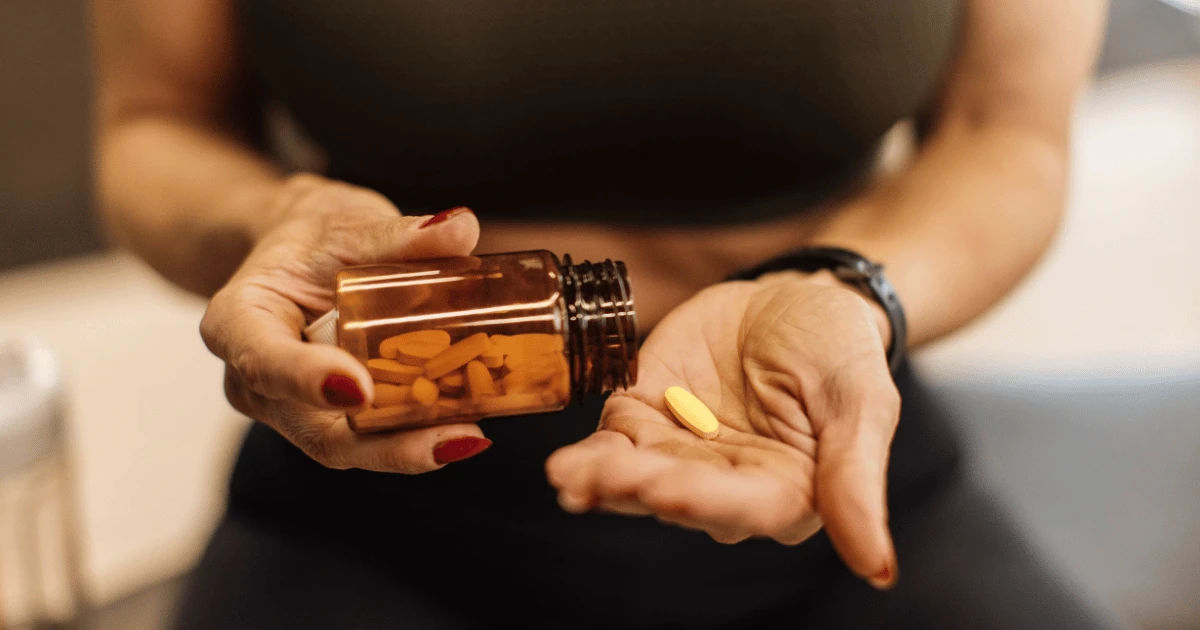
The good news is that biotin, also known as vitamin B7, is an essential water-soluble B vitamin needed by both men and women. It plays a role in converting carbohydrates, fats, and proteins into energy and supports several normal processes in the body.
For men considering a Biolife biotin Supplement, the important issue is not whether biotin is suitable for males. Rather, it is whether supplementation is actually necessary, what dose is appropriate, and whether there are any health conditions, medications, or laboratory tests that should be considered before taking it.
Can Men Take Biotin Supplements?
Yes, men can take biotin supplements. Biotin is not a female-only nutrient, and the body uses it in essentially the same way regardless of sex.
Men need biotin as part of normal nutrition. A balanced diet usually provides some biotin through foods such as eggs, nuts, seeds, legumes, meat, fish, and certain vegetables. However, some people may not consume enough through food, while others may choose supplements for specific nutritional reasons.
A Biolife biotin Supplement may therefore be considered by men who want to add biotin to their daily nutritional routine. However, taking a supplement does not automatically mean that a person will experience faster hair growth or thicker hair.
This distinction is important because biotin deficiency is relatively uncommon in healthy adults. If someone has adequate biotin levels, taking additional amounts may not produce dramatic visible changes.
What Is Biotin and Why Does the Body Need It?
Biotin is a water-soluble vitamin belonging to the B-vitamin family. It helps enzymes perform important chemical reactions involved in metabolism.
One of its major roles is helping the body process carbohydrates, fats, and proteins. In simple terms, biotin contributes to the body's ability to use nutrients for energy and normal cellular functions.
Biotin also has a connection with keratin production. Keratin is an important structural protein found in hair, skin, and nails. This is one reason biotin has become so popular in products marketed for hair and beauty.
However, the relationship is sometimes misunderstood. Biotin supports normal biological processes, but it should not be viewed as a guaranteed hair-growth treatment.
Is Biotin Different for Men and Women?
There is no special type of biotin that men need simply because they are male. The vitamin itself performs the same basic functions in the body.
Men and women can both experience inadequate nutrient intake, digestive problems, or other circumstances that affect nutritional status. Therefore, the need for biotin depends more on an individual's overall health and diet than on gender.
A man who eats a varied diet may already receive enough biotin naturally. Another man with a restricted diet or certain nutritional concerns may have different needs.
This is why choosing a Biolife biotin Supplement should be based on personal nutritional needs rather than the assumption that men require a larger amount.
Can Biotin Help Men's Hair?
Hair health is probably the most common reason men become interested in biotin supplements. Hair thinning can be frustrating, particularly when it develops gradually and becomes more noticeable over time.
Biotin is involved in normal keratin production, so maintaining adequate biotin intake is important for normal hair health. However, evidence does not show that high-dose biotin automatically causes significant hair growth in men who are not deficient.
Male hair loss has many possible causes. Genetics is one of the most common. Hormonal factors, aging, nutritional deficiencies, certain illnesses, stress, and some medications can also contribute.
If a man is experiencing persistent hair loss, simply starting a Biolife biotin Supplement may not address the actual cause.
For example, genetic male-pattern hair loss is not necessarily caused by a lack of biotin. Treating that condition requires a different approach and may involve speaking with a dermatologist or other qualified healthcare professional.
Can Men Take Biotin for Thinning Hair?
Men with thinning hair can take biotin, but expectations should remain realistic.
If a person's hair changes are related to inadequate nutrition or a genuine biotin deficiency, correcting that deficiency may help restore normal health. In contrast, if hair loss is caused by genetics, hormones, or another medical condition, biotin alone may have little or no noticeable effect.
This is one of the most important points to understand before buying a supplement.
A Biolife biotin Supplement can provide biotin as part of a nutritional routine, but it should not be considered a universal solution for baldness or male-pattern hair loss.
Sudden, severe, or unexplained hair loss deserves professional evaluation. Finding the underlying cause is usually more useful than taking several supplements without knowing what is actually happening.
Can Biotin Support Men's Nails and Skin?
Biotin is also associated with normal nail and skin health.
Some people take biotin because their nails are weak, thin, or prone to splitting. Although biotin has been studied for certain nail-related concerns, the results should not be interpreted as meaning that every person with brittle nails needs extra biotin.
Skin health is similarly complex. Hydration, diet, sleep, sun exposure, genetics, skincare habits, and overall health can all affect the appearance and condition of the skin.
For a man who has inadequate biotin intake, supplementation may contribute to correcting the nutritional gap. But taking larger quantities does not necessarily lead to healthier-looking skin or stronger nails.
How Much Biotin Do Men Need?
The amount of biotin needed is generally based on age and life stage rather than sex.
For healthy adults, the commonly referenced adequate intake for biotin is 30 micrograms per day. This amount refers to total daily intake and can come from food, supplements, or both.
It is important not to assume that more is always better. Many beauty-focused supplements contain biotin amounts far above the daily adequate intake.
Before using a Biolife biotin Supplement, men should check the product label and understand how much biotin it provides per serving.
If a product contains a high amount, taking additional biotin from another multivitamin or hair supplement could increase total intake considerably.
Is a Biotin Supplement Safe for Men?
Biotin is generally considered well tolerated when used appropriately. Because it is water-soluble, excess amounts are eliminated through urine rather than stored in the body in the same way as some fat-soluble vitamins.
However, "water-soluble" does not mean that supplement doses can be ignored.
One of the biggest concerns associated with high-dose biotin is its ability to interfere with certain laboratory tests. This can be particularly important because some blood tests rely on biotin-based testing systems.
A person taking a Biolife biotin Supplement should tell their doctor or laboratory professional about the supplement before having blood tests, particularly if they are taking a relatively high dose.
Can Biotin Affect Blood Tests?
Yes. High amounts of biotin can interfere with certain laboratory tests and potentially cause inaccurate results.
This issue has received attention because some tests for hormones and heart-related markers may be affected by biotin interference. Depending on the particular test, interference can sometimes make a result appear higher or lower than it really is.
This does not mean that every blood test is affected. It means that healthcare professionals should know about biotin use when interpreting relevant laboratory results.
If you regularly use a Biolife biotin Supplement, mention it whenever a healthcare professional asks about your medicines, vitamins, or supplements.
Do not stop an important prescribed medicine simply because you are taking biotin. Instead, ask your healthcare professional whether you should temporarily stop the supplement before a particular test.
Should Men Take Biotin Every Day?
Whether daily use is appropriate depends on the product, dosage, and reason for taking it.
Biotin is normally consumed regularly through food, so supplements may also be taken according to the product's directions when supplementation is appropriate.
However, taking a supplement every day simply because it is marketed for hair growth is not necessarily necessary.
A man should first consider his diet, nutritional needs, existing health conditions, and other supplements. If he already consumes adequate biotin, adding a high-dose supplement may provide little additional benefit.
When using a Biolife biotin Supplement, following the manufacturer's recommended serving is generally more sensible than taking extra doses in an attempt to speed up results.
Who May Want to Talk to a Doctor First?
Most healthy adults can discuss ordinary vitamin supplementation with a healthcare professional without difficulty. However, extra caution makes sense when someone has a complex medical history, takes several medications, or is preparing for laboratory testing.
Men who have unexplained hair loss should also consider getting professional advice rather than assuming that biotin is the answer.
The same applies to men experiencing persistent changes in their nails, skin, energy levels, or general health. These symptoms can sometimes have causes unrelated to biotin.
A doctor can help determine whether dietary changes, blood testing, treatment of an underlying condition, or a supplement is appropriate.
What Should Men Look for in a Biotin Supplement?
Choosing a supplement should involve more than looking for the largest number on the label.
First, check the amount of biotin per serving. Compare this with your total intake from other supplements so you do not accidentally duplicate ingredients.
Next, look at the serving instructions. More capsules or tablets do not necessarily mean better results.
It is also useful to check the complete ingredient list. Some products combine biotin with zinc, vitamins, minerals, or herbal ingredients. These additional ingredients may be appropriate for some people but unnecessary for others.
If you are considering a Biolife biotin Supplement, use the product label as a starting point and discuss supplementation with a healthcare professional if you have concerns about dosage or interactions.
Can Biotin Replace a Healthy Diet?
No. A supplement should complement a healthy diet, not replace it.
Foods provide much more than a single vitamin. Eggs, nuts, seeds, fish, meat, vegetables, legumes, whole grains, and other nutritious foods provide combinations of vitamins, minerals, protein, healthy fats, fiber, and other beneficial compounds.
Someone who is concerned about hair health should therefore look at the bigger picture.
Adequate protein, iron, zinc, vitamin D, essential fatty acids, and overall calorie intake can all be relevant to normal hair growth and health. Poor sleep and prolonged stress may also influence how someone feels and how their body functions.
A Biolife biotin Supplement can provide biotin, but it cannot compensate for a consistently poor diet or an untreated health problem.
Common Misunderstandings About Biotin for Men
One common misconception is that men need large doses of biotin because they generally have more body hair. There is no simple rule like this.
Another misconception is that taking more biotin automatically produces faster hair growth. The body's nutritional requirements do not work like a growth accelerator. If enough of a nutrient is already available, adding more does not necessarily create additional benefits.
Some men also assume that hair loss automatically means they have a vitamin deficiency. That is not always true. Genetics remains a major factor in male-pattern hair loss.
Finally, some people believe that supplements are completely risk-free because they are sold without a prescription. Supplements can still affect laboratory tests and may not be appropriate for everyone.
How Long Should Men Take Biotin?
There is no universal period that every man should follow.
The appropriate duration depends on why the supplement is being taken and whether supplementation is actually needed. Someone correcting a nutritional deficiency may have a different plan from someone simply adding a small amount of biotin to their diet.
Hair also grows slowly, so visible changes cannot reasonably be expected overnight. At the same time, continuing a supplement indefinitely without evaluating whether it is necessary is not always useful.
If you have been taking a Biolife biotin Supplement for an extended period, it can be worthwhile to review the supplement with your healthcare professional, particularly if you take other vitamins or medications.
Frequently Asked Questions
Can men take biotin supplements for hair growth?
Yes, men can take biotin supplements. Biotin is an essential nutrient used by both men and women. However, supplementation is most likely to be useful when someone has inadequate intake or deficiency. It should not be considered a guaranteed treatment for male-pattern hair loss.
Is biotin good for men's hair?
Biotin contributes to normal hair health, but that does not mean high-dose biotin will automatically make men's hair thicker or grow faster. Hair loss has many causes, including genetics and hormonal factors. Persistent hair loss should be evaluated rather than automatically blamed on a biotin deficiency.
Can men take biotin every day?
Men can consume biotin daily because it is a normal dietary nutrient. However, the appropriate supplemental amount depends on the product and individual circumstances. Following the recommended serving and considering total intake from other supplements is important.
Does biotin have side effects for men?
Biotin is generally well tolerated, but high-dose supplementation can interfere with certain laboratory tests. This is an important consideration even if a person feels perfectly healthy. Always tell healthcare professionals about biotin use before relevant blood testing.
Can biotin stop male-pattern baldness?
Biotin should not be considered a treatment that can stop male-pattern baldness. Genetic hair loss is usually related to inherited sensitivity to hormones rather than simply a lack of biotin. Men with progressive hair loss should speak with a dermatologist or healthcare professional about appropriate treatment options.
Conclusion
Men absolutely can take biotin supplements. Biotin is an essential B vitamin required by both males and females, and there is nothing inherently unsuitable about men using a biotin supplement when there is a nutritional reason to do so.
The bigger question is whether supplementation is necessary for the individual. A balanced diet may already provide adequate biotin, and taking a higher dose does not automatically mean better hair, skin, or nails.
For men considering a Biolife biotin Supplement, the most sensible approach is to look at the complete picture. Consider your diet, the amount of biotin in the supplement, other vitamins you take, your reason for using it, and any medical conditions or medications that may be relevant.
Biotin can support normal nutritional needs, but it should not be treated as a cure-all for hair loss. If your main concern is thinning hair, finding the underlying cause is much more valuable than simply increasing your supplement intake.
It is also important to remember the potential effect of high-dose biotin on certain laboratory tests. Informing your doctor and laboratory professional about supplement use can help prevent confusing or inaccurate test results.
In short, men can use biotin, but smart supplementation is about using the right amount for the right reason. A Biolife biotin Supplement may fit into a man's nutritional routine when appropriate, but it works best as one part of an overall healthy lifestyle rather than as a replacement for proper nutrition or medical care.