
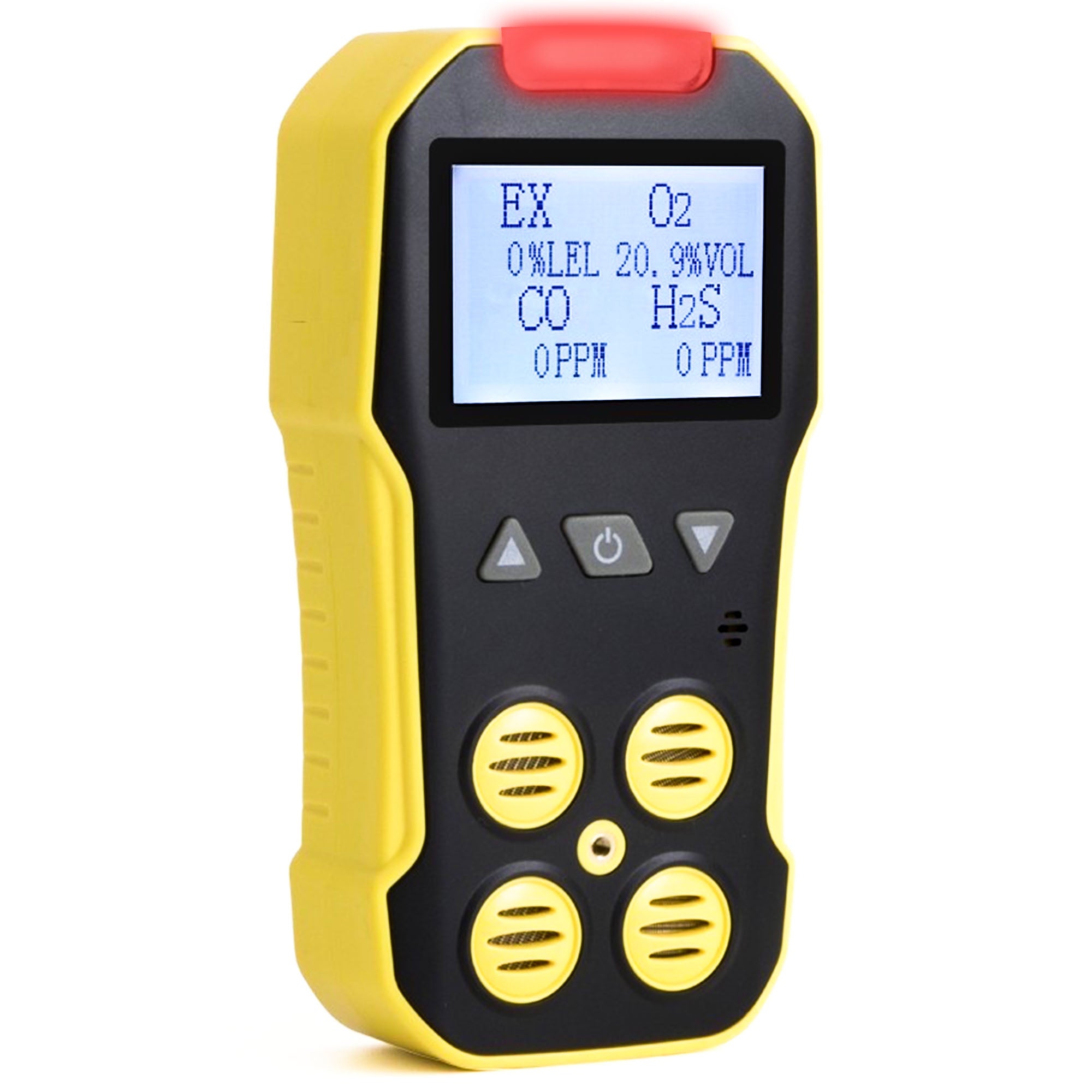
As the world-wide vehemence on situation tribute intensifies, sympathy gas emissions has become preponderant for industries, governments, and researchers likewise. Gas emissions contribute significantly to air pollution and climate transfer, necessitating effective monitoring and compliance strategies. Advanced gas analyzers play a critical role in this landscape painting, providing accurate, real-time data that supports environmental submission efforts and informs insurance decisions.
The Importance of Monitoring Gas Emissions
Gas emissions in the first place include pollutants such as carbon dioxide(CO2), methane(CH4), nitrogen oxides(NOx), sulfur dioxide(SO2), and inconstant organic fertilizer compounds(VOCs). These gases originate from various sources, including industrial processes, transportation, and cultivation activities. Monitoring these emissions is crucial for several reasons:
-
Regulatory Compliance: Governments world-wide have enforced demanding regulations to control air tone and tighten emissions. Industries must abide by with these regulations to keep off penalties and see sustainable operations.
-
Public Health: Emissions of harmful gases can adversely involve air tone and human health, leading to respiratory issues and other wellness problems. Monitoring helps identify pollution sources and follow up necessary measures to protect public health.
-
Climate Change Mitigation: Understanding emissions is life-sustaining for tackling mood transfer. By trailing greenhouse gases, organizations can develop strategies to reduce their carbon paper footprint and contribute to planetary climate goals.
The Role of Advanced Analyzers
Advanced gas analyzers are intellectual instruments premeditated to observe and quantify various inert gas detector emissions with high precision. Their capabilities have evolved significantly, motivated by technical advancements and the development need for tight environmental monitoring. Here s how these analyzers contribute to effective emissions direction:
-
Real-Time Monitoring: Unlike traditional methods that supply sporadic data, advanced analyzers offer free burning, real-time monitoring of gas emissions. This capacity allows industries to respond promptly to any fluctuations in levels, ensuring immediate corrective actions can be taken.
-
High Sensitivity and Accuracy: Modern analyzers apply sophisticated technologies such as infrared emission spectrum analysis, gas , and optical maser-based signal detection methods. These technologies assure high sensitiveness and accuracy, allowing for the signal detection of trace amounts of pollutants that may otherwise go unmarked.
-
Data Integration and Reporting: Many hi-tech analyzers come equipped with computer software that facilitates data desegregation, analysis, and reporting. This feature simplifies submission reportage for regulatory agencies and helps organizations wield obvious records of their emissions.
-
Versatility: Advanced gas analyzers can measure doubled gases simultaneously, making them various tools for a variety of applications. Whether in industrial plants, search laboratories, or environmental monitoring stations, these analyzers can adapt to different needs.
-
Remote Monitoring Capabilities: With advancements in IoT(Internet of Things) engineering, many gas analyzers now offer remote control monitoring capabilities. This allows organizations to get across emissions from quadruplex locations in real time, enhancing their ability to finagle submission across facilities.
Conclusion
Understanding gas emissions is crucial for operational situation management, populace wellness protection, and climate transfer mitigation. Advanced gas analyzers are at the forefront of this sweat, providing the preciseness, reliability, and real-time data necessary for compliance with environmental regulations. As industries and governments uphold to prioritise sustainability, the role of these intellectual instruments will only grow, paving the way for a cleaner and fitter time to come. Embracing hi-tech engineering science in gas monitoring not only meets regulatory demands but also fosters a of environmental responsibility that benefits society as a whole.